

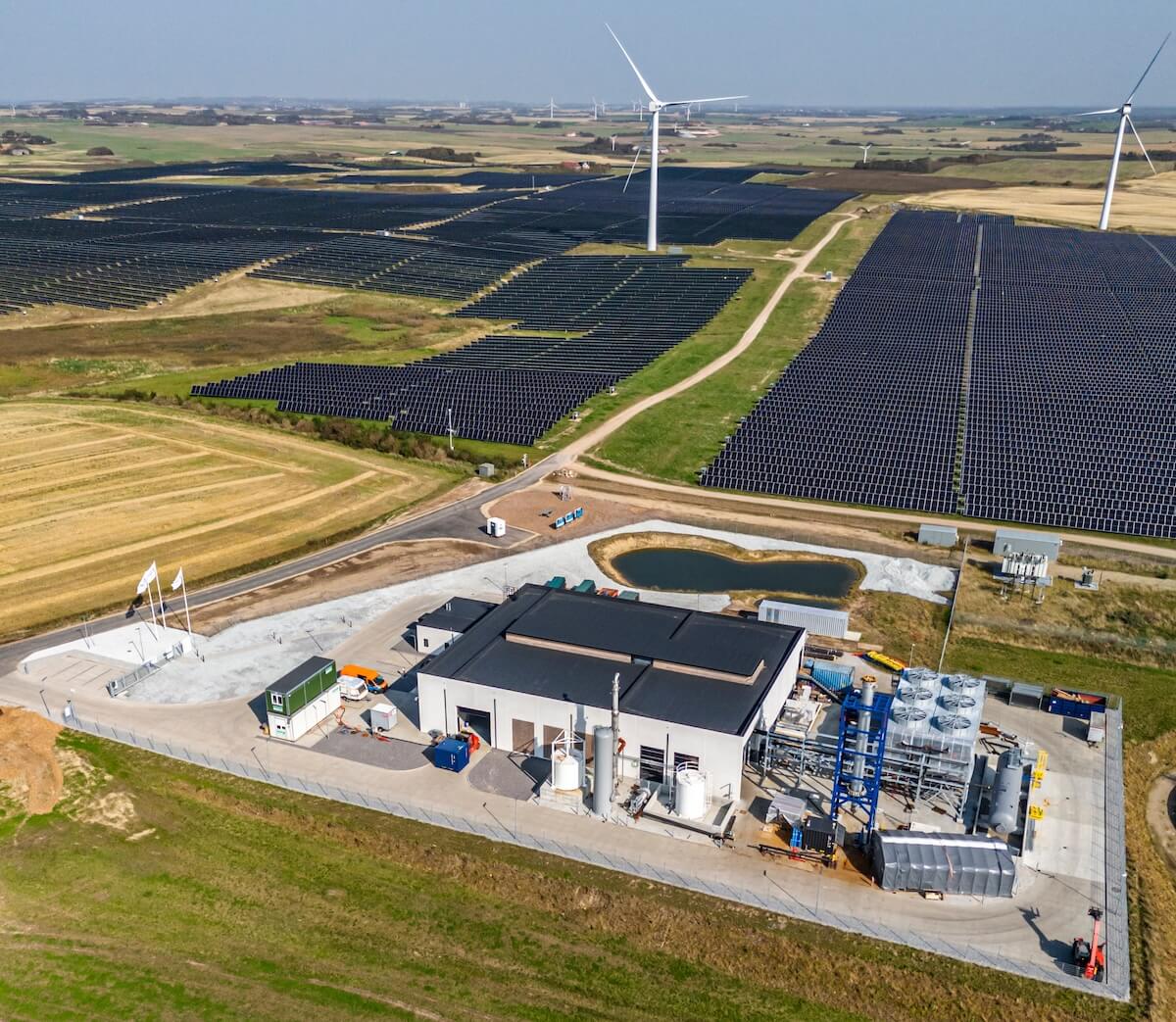
At Power To Hydrogen, we work with teams that need reliable energy on their terms, and hydrogen is proving to be one of the most dependable tools for that job. Hydrogen power has moved from early research labs to real projects that support manufacturing plants, transportation systems, and utility-scale operations. In this article, we’ll break down the basics and share how hydrogen power is changing the way organizations think about energy.
Hydrogen power refers to energy produced from hydrogen when the element is used as a fuel for electricity, heat, or combined power systems. Because hydrogen is the lightest element and carries a significant amount of chemical energy, it becomes a practical way to store and convert energy. When we tap into that stored energy and convert it through controlled processes, we can generate usable power without producing carbon emissions.
Hydrogen releases energy when it reacts with oxygen. In a fuel cell, this reaction occurs in a controlled, electrochemical manner rather than through combustion. The cell utilizes a specialized membrane that separates hydrogen into protons and electrons. The electrons take a separate path through an external circuit, and that movement creates electricity. The protons move through the membrane and combine with oxygen on the other side, forming water. Because everything happens without combustion, fuel cells stay efficient and avoid the pollutants that come from traditional engines.
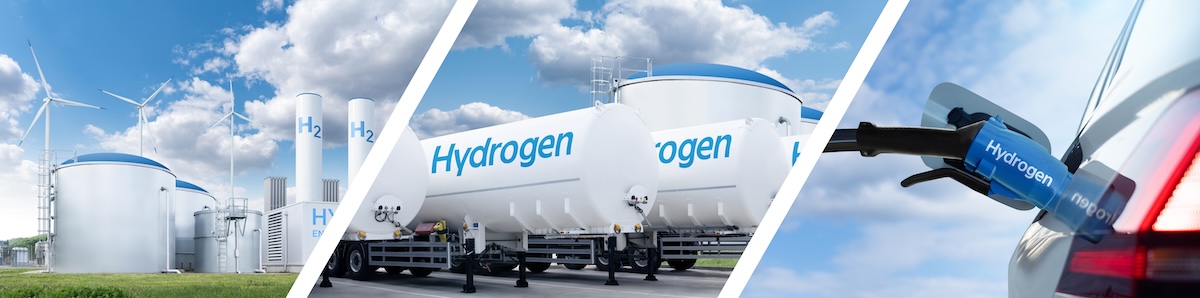
Hydrogen power produces only water at the point of use when used in fuel cells (no smoke, carbon, or harmful emissions). As a result, hydrogen power can support air quality goals, emissions reduction plans, and corporate sustainability commitments. It also gives organizations a path to reduce reliance on fossil fuels while remaining operational during long-duration demand cycles.
When wind or solar systems generate more power than the grid can use, that surplus energy gets stored as hydrogen through electrolysis. Instead of going to waste, that excess energy is stored for extended periods of time with minimal energy loss. When demand spikes or the grid is under pressure, the stored hydrogen can be quickly converted back into electricity. It’s a way for utilities to maintain a stable system, even when conditions change rapidly.
Hydrogen scales with demand, making it a strong fit for industrial and commercial applications. It’s already used by chemical plants, refineries, steelmakers, and processing facilities for heat, feedstock, and power generation. Many of these applications require consistent output. Hydrogen systems can scale from pilot operations to full production lines without major redesigns.
Hydrogen fuel supports heavy vehicles that need long range, fast refueling, and reliable operation in busy cycles. Transit authorities and freight operators use hydrogen-powered buses and trucks. Rail systems in several countries already run hydrogen trains. These transportation solutions help fleets reduce their dependence on diesel while improving operating reliability. Fueling stations continue to expand as more organizations commit to long-term hydrogen adoption.
Hydrogen power requires production, storage, and distribution systems, which can add layers of infrastructure cost to new projects. As manufacturing scales and more companies deploy electrolysers, pipelines, tanks, and fueling stations, costs continue to decrease. We work closely with partners to analyze total project costs, enabling them to plan budgets that reflect both current prices and expected improvements.
Energy losses occur during production, storage, transportation, and conversion back to electricity. Each step reduces the total efficiency. Teams that plan hydrogen projects evaluate both immediate needs and long-term value. The ability to store large amounts of energy offsets some of the efficiency concerns. Facilities that rely on long-duration backup power or seasonal energy storage gain strong value even with the current technology profile.
Hydrogen’s physical properties require specific safety measures. The gas is colorless and odorless. It disperses quickly and ignites under certain conditions. Facilities use leak detection sensors, ventilation systems, certified piping, and pressure-rated tanks. These systems follow national and international safety codes such as NFPA 2 and ISO standards.
Hydrogen markets depend on permitting, public investment, energy pricing, and regional policy support. Delays in these areas can slow adoption. Government programs continue to expand, including hydrogen hubs, tax credits, and incentives. These programs help companies manage early project risk and develop long-term hydrogen strategies.
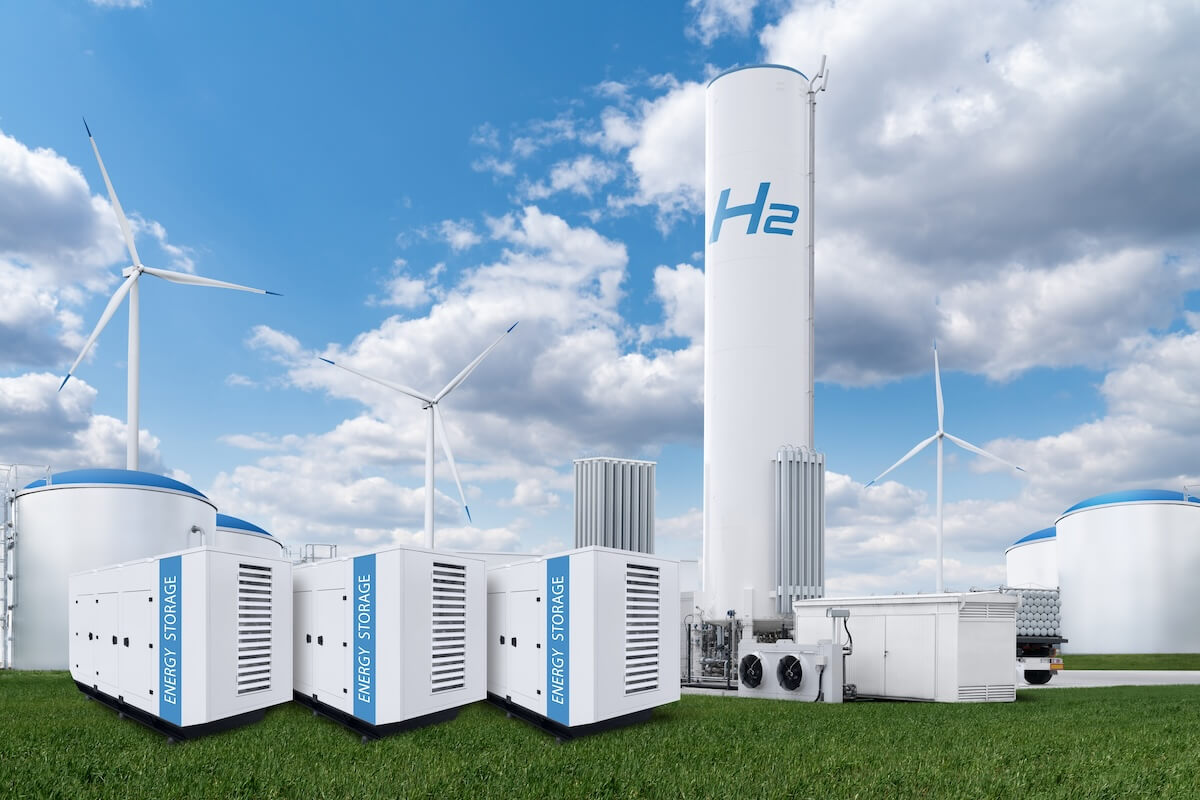
Hydrogen can be produced through several pathways. Each method supports different projects based on scale, cost structure, and energy source availability.
Electrolysis splits water into hydrogen and oxygen using electricity. Electrolysers feature stacks, catalysts, membranes, and power electronics. They respond quickly to changing input conditions, making them valuable for renewable energy systems. These systems enable companies to convert excess wind or solar electricity into hydrogen, which can be stored for later use. Our hybrid electrolysers at Power To Hydrogen follow this approach, supporting consistent hydrogen generation that matches the needs of facilities and local grids. The technology continues to evolve, and our work with hybrid AEM systems drives reductions in material costs while improving performance and efficiency.
Steam methane reforming uses natural gas and steam to create hydrogen. It is the most common production method worldwide. SMR offers high outputs and long-established supply chains.
Other alternatives include autothermal reforming, biomass gasification, and emerging thermochemical processes. These methods help regions with abundant natural resources expand hydrogen projects. Companies consider these options when they require large-scale hydrogen production while also seeking cost control.
Storage methods include compressed gas tanks, liquefied hydrogen tanks, and solid or liquid carriers, such as metal hydrides and ammonia. Each hydrogen storage type fits different environments. Compressed gas storage is common for smaller facilities, vehicle fueling, and distributed systems. Liquefied hydrogen supports heavy transportation and large energy users that want higher density.
Transportation solutions include pipelines, tube trailers, cryogenic tankers, and carrier vessels. Some companies integrate on-site production to reduce transportation requirements. When organizations ask us about the right approach, we review local permitting, existing infrastructure, and safety regulations to design a storage and movement plan that fits both the physical layout and long-term demand.

Utilities use hydrogen for grid-scale energy storage and fast-start generation. Electrolysers run during low-demand periods. Stored hydrogen feeds turbines or fuel cells during peak load. This approach supports frequency regulation, voltage control, and reserve power. It also reduces the need for diesel-based support systems.
Hydrogen supports chemical production, steel manufacturing, refining, glass production, and high-temperature processing. These industries rely on consistent heat or feedstock, and hydrogen fits these requirements. Commercial buildings use fuel cell units to support critical loads and reduce emissions. These systems run quietly and maintain predictable performance.
Hydrogen vehicles provide long range, quick refueling times, and strong performance under demanding schedules. Heavy-duty fleets benefit from consistent torque and high power output. Rail, maritime, and aviation groups explore hydrogen systems to reduce long-distance emissions and maintain travel schedules.
Advances in membranes, stacks, catalysts, and power electronics improve electrolyser systems. Material reductions and simplified balance-of-plant components support faster deployment. Storage systems gain higher density and improved safety. Fuel cells continue to improve durability through advancements in membrane technology and water management. These upgrades help utilities plan long-term transitions.
Hydrogen supports national and corporate net-zero and decarbonization plans by providing high-performance fuels to sectors that need them. This includes steel, chemicals, long-haul transportation, maritime shipping, and power generation. The flexibility of hydrogen strengthens renewable projects and reduces fossil fuel dependence across several applications.
At Power To Hydrogen, we design and build advanced hybrid AEM electrolysers for reliable performance and material efficiency. We help organizations evaluate project needs, site conditions, and expected demand. This produces a hydrogen system that matches both current and future energy goals. Our engineering team has extensive experience working with clients across stack development, power electronics, safety engineering, and field integration. If your team is exploring hydrogen solutions, we can guide you through the planning, system selection, installation, and long-term support processes.
Ready to begin your hydrogen project? Contact us to discuss your goals and see how our AEM electrolyser technology can help you move forward.


