

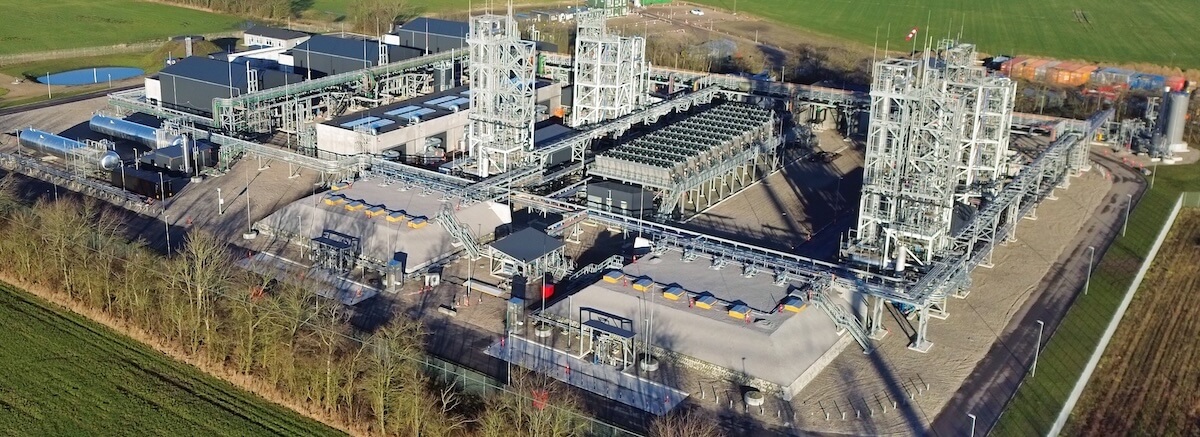
Distributed hydrogen production has become an essential part of the energy transition, especially as organizations look for reliable ways to support electrification and local resilience. At Power To Hydrogen, we work with clients who want hydrogen systems on-site and close to where energy is needed, since this approach helps reduce delays, simplify planning, and improve long-term flexibility.
Distributed hydrogen production refers to generating energy from hydrogen at or near the point of use. These systems typically use electrolysis powered by renewable or low-carbon electricity in smaller, modular systems that support energy loads for individual sites or clusters of facilities. As a result, distributed production facilities avoid long-distance transportation routes and gain independence from large centralized plants.
Centralized hydrogen production relies on large plants designed to generate high volumes of hydrogen simultaneously. These hydrogen production facilities often utilize SMR (steam methane reforming) or large-scale electrolysers to generate the bulk output. Centralized production can offer economies of scale, although it introduces storage concerns, long-distance logistics, and higher project complexity.
Distributed production employs a decentralized approach by generating hydrogen where it’s used. This setup faces some cost challenges because small systems do not benefit from the same economies of scale. However, distributed installations reduce expenses linked to trucking, specialized storage, advanced pipeline infrastructure, and permitting delays.
With that said, electricity pricing is a significant factor. Facilities with access to low-cost renewables or off-peak power schedules gain cost advantages. As electrolyser efficiency improves, distributed systems grow more competitive each year. These solutions also fit locations where behind-the-meter support is valuable and helps strengthen local grid reliability.
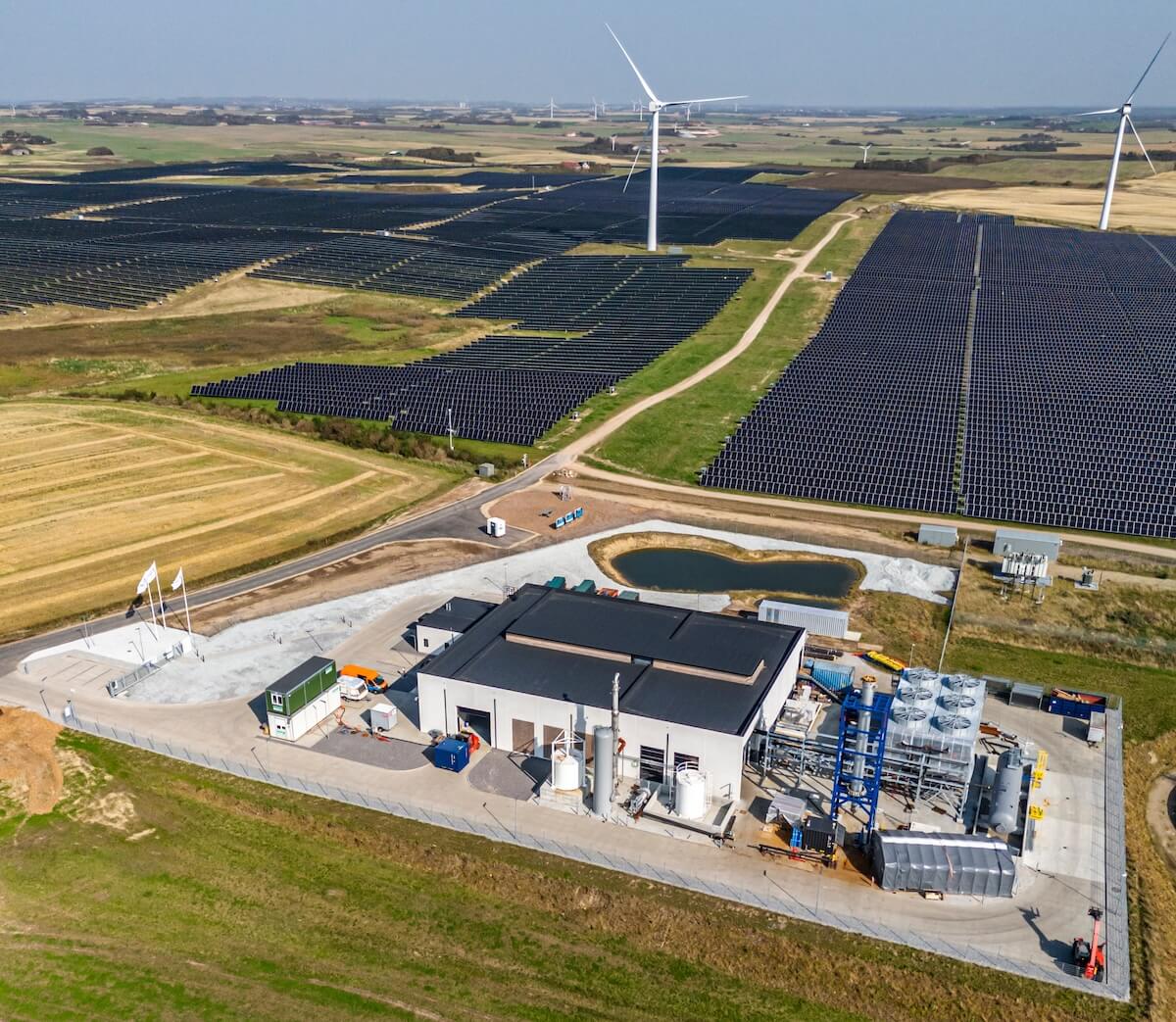
Distributed hydrogen improves site-level resilience by supporting local power needs with consistent output. Many companies aim for uninterrupted operations that continue through outages, storms, and unpredictable grid conditions. Hydrogen systems provide an additional energy layer that can support essential loads or full-site operations, depending on system size.
Local energy security improves when a facility can produce energy on-site through hydrogen electrolysis. The operator controls the supply, and the output responds to site-level demand. Distributed hydrogen also helps stabilize demand peaks by converting surplus renewable energy into stored hydrogen. These systems reduce interruptions for labs, manufacturing floors, data centers, and public safety facilities.
Many organizations are integrating renewable energy sources (such as solar and wind) to keep electricity costs in check, but they still need a way to store excess power. Distributed hydrogen fills that gap by storing energy during periods of high generation and making it available later in the day when renewable output drops off. By pairing renewable energy with hydrogen storage, facilities can lean less on the grid, especially during expensive peak hours. A well-planned hydrogen system makes it easier to expand renewable use while keeping day-to-day operations steady and predictable.
Transporting hydrogen can be costly. Distributed systems remove a portion of those expenses because hydrogen remains on-site. Facilities avoid constant truck deliveries and the planning or permitting associated with frequent fuel transport. Hydrogen storage and infrastructure costs decrease as well. Distributed production enables hydrogen production that follows a facility’s real-time demands. Operators can produce what they need during routine periods, then increase output during events that require more energy to be stored.
Distributed production offers flexibility for multiple uses on the same site. For example, a university may use hydrogen to support a microgrid, a research lab, and a fuel cell shuttle fleet. A distribution center may use hydrogen power for forklifts, backup power systems, and long-duration load support. The broad range of applications enables community-level and industrial-level organizations to plan for both current applications and future expansions.
Electrolysis is the backbone of distributed hydrogen production. Modern electrolyser units can be modular, containerized, and easily deployed, making them suitable for projects of any size.
Many distributed installations begin with a single module sized for current operations. Additional units can be added as demand increases. This is common in fleet fueling projects, industrial test facilities, and operations centers that expect future expansion. Power To Hydrogen’s modular stack can be arranged in a linear format or placed in containerized systems that simplify siting and installation.
Hydrogen electrolysis works well inside microgrids powered by solar, wind, or hydropower installations. When electricity output exceeds demand, electrolysers convert the surplus into hydrogen. During periods of low output, hydrogen supports the microgrid by powering fuel cells or hydrogen-ready generators.
Data centers, research campuses, and energy hubs frequently utilize microgrids to mitigate peak demand. Hydrogen systems add long-duration storage that complements batteries. Facilities gain a stable foundation for mission-critical operations.
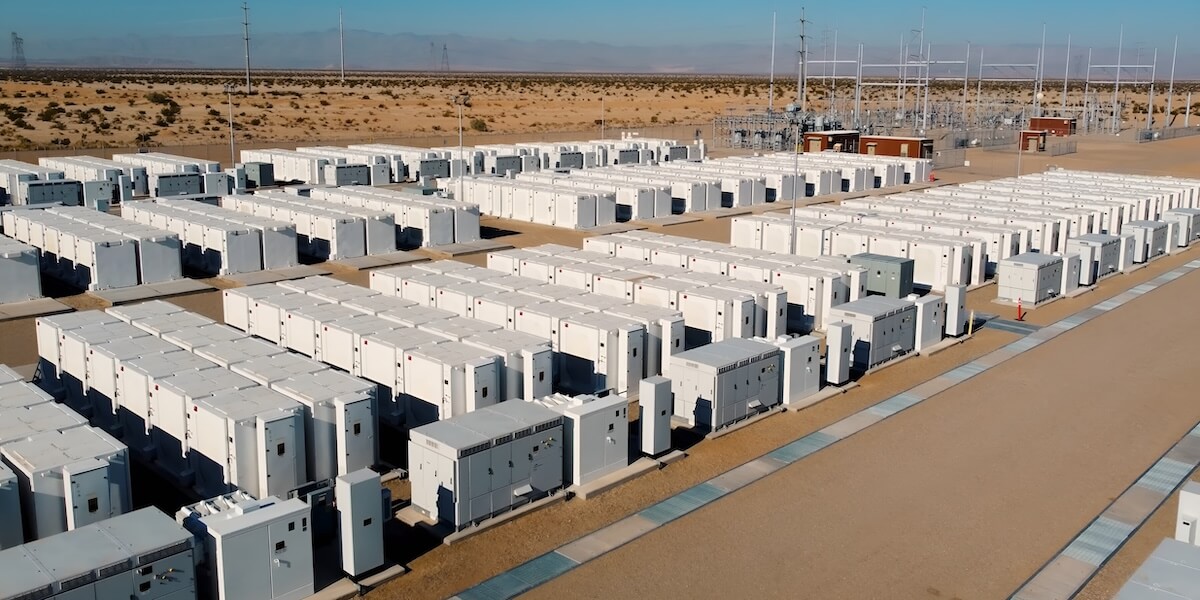
A distributed hydrogen platform supports local power demands, fuel supply, and day-to-day operational planning. We also see customers opting for distributed systems when they require more control and reliability for their operations. It suits locations where energy demand fluctuates throughout the day, where grid infrastructure is limited, or where reliability is paramount.
Data centers need reliable power and precise load management. Hydrogen systems have become a central part of the planning process for organizations that expect growth in AI compute clusters and high-density servers. Distributed production supports both backup power and long-duration load shifting.
Distributed hydrogen aligns with fleet fueling needs for buses, medium-duty trucks, forklifts, and specialty vehicles. Fleet operators gain a predictable supply and flexibility by pairing hydrogen production with on-site renewable energy sources, which supports lower total energy costs.
Municipal fleets utilizing hydrogen benefit from the ability to adjust production in response to seasonal demand shifts. Hydrogen supports both routine transportation and emergency response activities, creating consistent support across multiple city departments.
Manufacturing sites often take advantage of hydrogen for thermal processes, material treatment, or combined heat and power systems. Distributed hydrogen supports precise energy requirements by providing predictable output at the point of use.
The future of distributed hydrogen is bright with expected improvements in electrolyser efficiency, stack longevity, and material availability. Power To Hydrogen continues to advance electrolyser efficiency and materials science through the research and development of their hybrid AEM electrolysers, combining the strengths of AEM electrolyser and PEM electrolyser technologies to enable organizations to produce hydrogen on-site at competitive costs.
We help organizations integrate hydrogen systems with renewable assets such as solar and wind installations. This flexibility makes our hybrid AEM electrolysers ideal for distributed hydrogen systems tied to microgrids or community-scale renewable projects.
If your organization is exploring distributed hydrogen, we can help evaluate the path that matches your operational and financial goals. Reach out to our team to discuss your project and see how distributed hydrogen production can support your energy future.


