

Electricity use is increasing rapidly, much faster than grid operators had expected even five years ago. To maintain stable electrical grids under these changing conditions, it will take more than incremental upgrades. At Power To Hydrogen, we view hydrogen as a practical way to add flexibility and strength to modern grid power systems. In this article, we'll walk you through how hydrogen can support grid stabilization, where the technology fits alongside traditional energy solutions, and what it means for utilities, grid operators, and large energy users.
Grid stabilization is the continuous process of maintaining the electric grid within safe and predictable operating limits. The grid must maintain the correct frequency, voltage, and power balance at all times. Because if there is a sudden surge in demand, a drop in renewable generation, or a system fault, the grid becomes unstable, leading to outages, equipment damage, or regional blackouts. Hydrogen is a key technology in modern grids that helps maintain electricity reliability during these unpredictable events.
Utilities have relied on established technology and grid balancing methods for decades. Some of these methods include thermal power plants, gas turbines, and hydropower facilities that can adjust output to match demand. These methods were effective when demand was lower and energy sources were predictable, yielding consistent output.
The challenge today is different. Renewable resources continue to grow annually, and more grid systems must adapt to variable energy output. However, traditional assets respond slowly compared to the speed at which renewable supply can shift. That is why grid operators are turning to new hydrogen-powered solutions that quickly engage to support frequency regulation, voltage control, and load balancing.
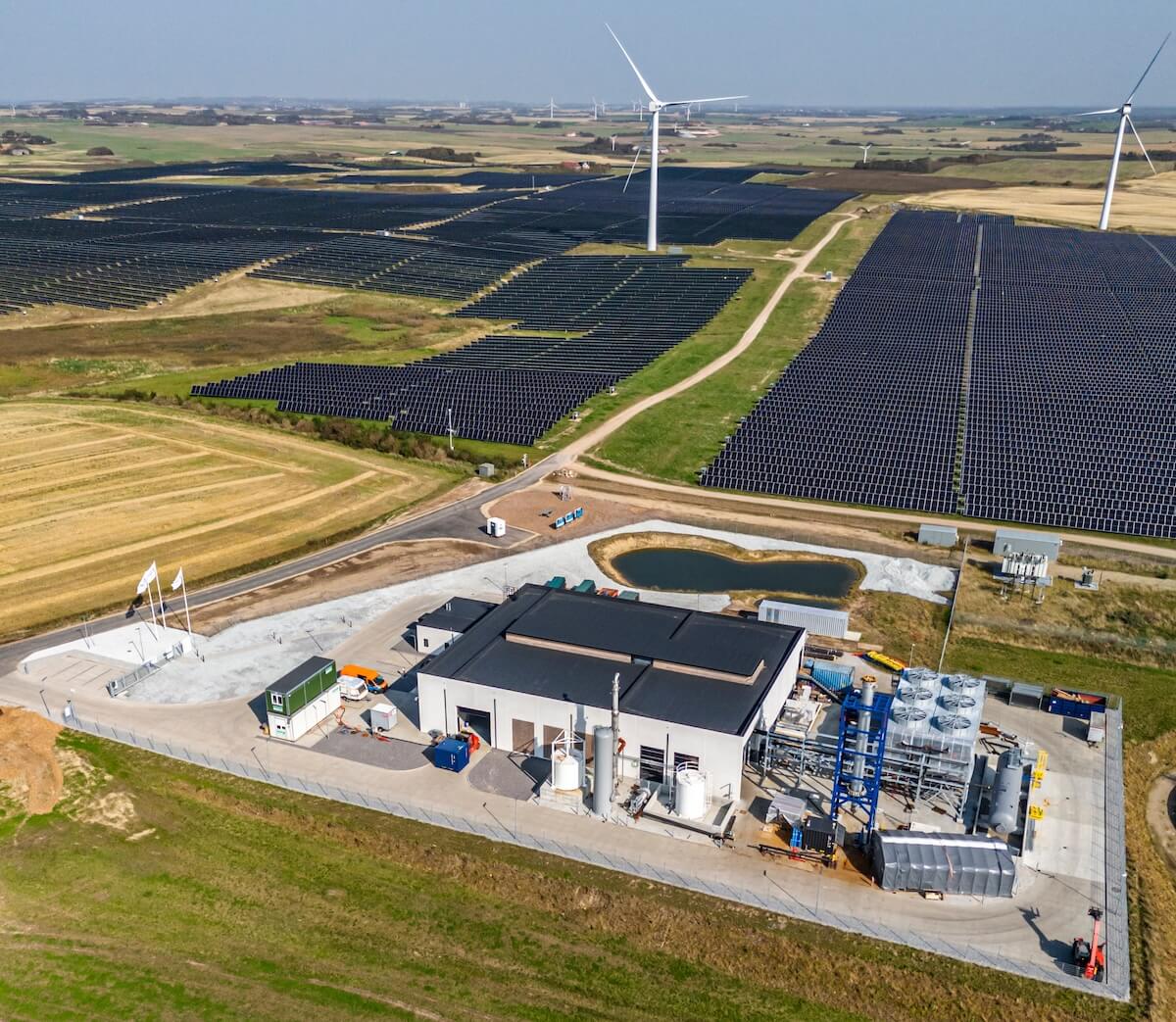
Strong grid stabilization enables higher penetration of renewable energy sources, protects sensitive loads, supports the interconnection of new projects, and reduces curtailment. But wind and solar are inherently variable energy sources. A cloudy afternoon or a drop in wind speed can cause immediate shifts in generation. Without a grid system that can account for these swings, there could be frequency dips, voltage instability, and even large-scale outages.
Hydrogen electrolysers offer a unique value for grid stability by converting excess electricity into hydrogen while operating at flexible loads. When renewable power surges, electrolysers increase consumption. When supply drops, they reduce consumption. The load responds rapidly, providing operators with a tool that supports grid stability.
By treating electrolysers as controllable loads, operators gain a balancing resource that fits their energy goals. Instead of dumping excess energy, projects convert it into a valuable product that can be stored at scale.
Hydrogen also supports microgrids and distributed hydrogen production in remote regions that require stable power, eliminating the need for local fossil fuel plants. Many facilities seek independence from supply chain disruptions and utilize hydrogen to expand renewable energy without compromising reliability.
Power To Hydrogen designs and builds hybrid electrolysers. Unlike conventional PEM or alkaline systems, our hybrid designs handle variable renewable inputs more effectively, can ramp up and down quickly without losing efficiency, and don't require expensive precious metals. These advantages make hybrid AEM electrolysers perfect for grid support applications.
Our hybrid AEM systems handle fast ramps, frequent part-load operation, and daily cycling without performance drift. They maintain high efficiency across a wide load range, which is crucial when following variable renewable energy sources. Plus, our modular skids allow right-sizing for microgrids and utility nodes.
Control integration is straightforward. The system accepts dispatch signals from plant controllers, market signals from ISOs, or local logic based on feeder conditions. Operators can prioritize grid support, hydrogen production, or a blended strategy based on economic considerations.
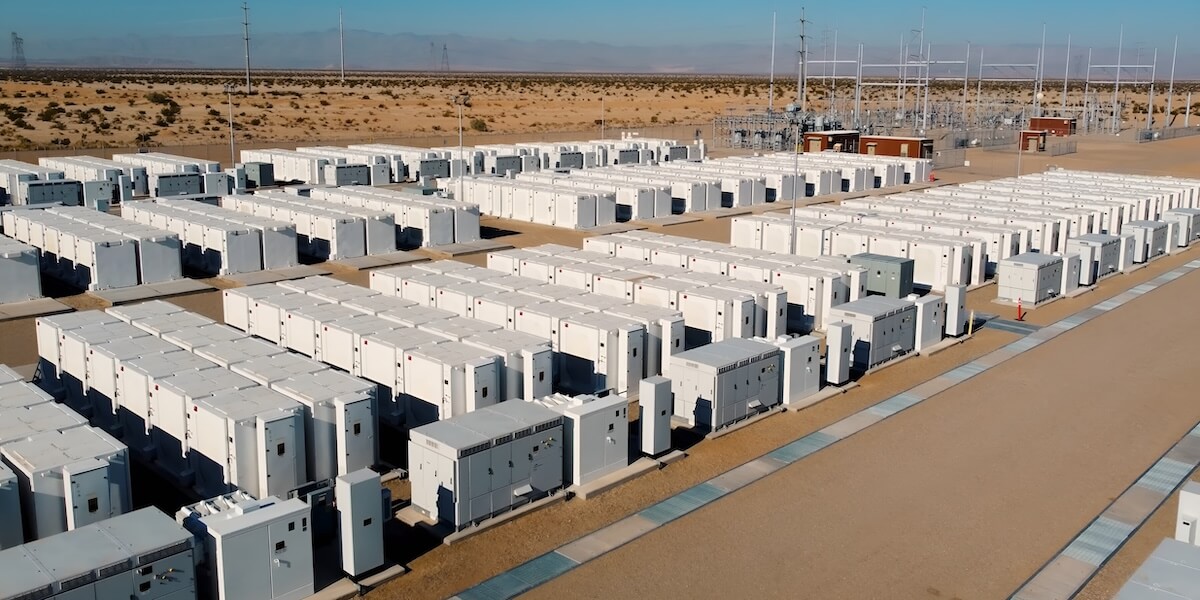
Batteries, generators, and spinning reserves keep older grids online and provide power during disturbances. Their limitations show up when long-duration power is required or when operators have more complex storage and energy accessibility needs.
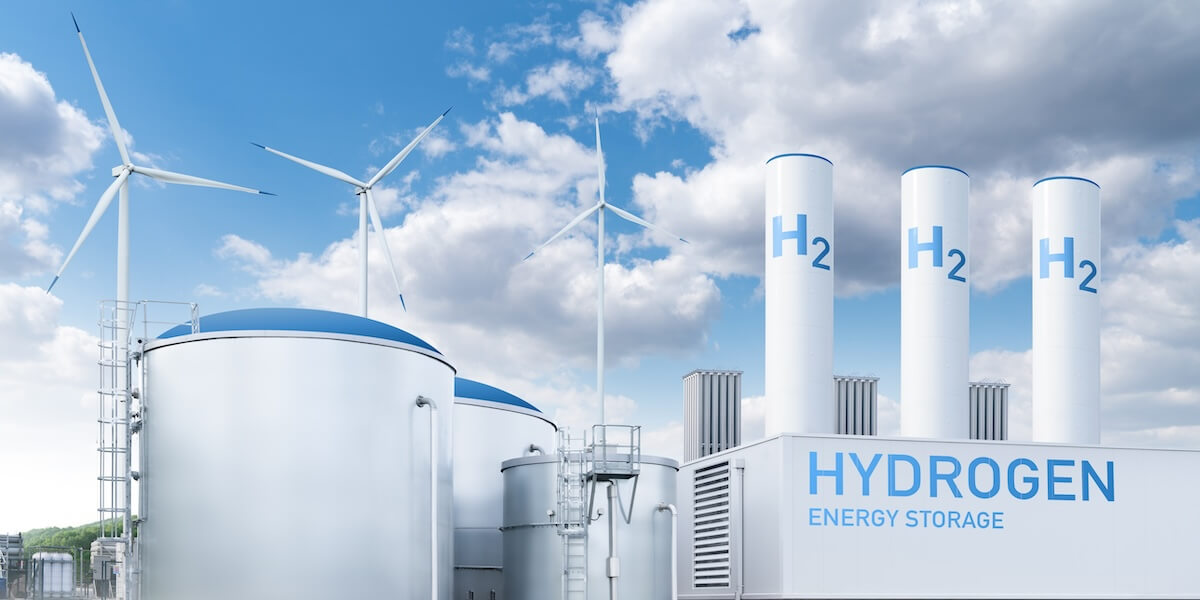
Hydrogen brings something the grid has struggled to get from batteries alone: reliable, long-duration storage. Batteries do a great job handling quick ramps and short bursts of usage. When renewable energy exhibits variability that lasts more than a few hours, it becomes crucial to have hydrogen storage options that can store large amounts of energy without incurring massive cost spikes.
Hydrogen can store large amounts of energy for much more extended periods, which is precisely what grid operators and project developers need to smooth out fluctuations in renewable energy over days or even weeks.
Hydrogen introduces benefits that go beyond basic load shaping. It supports grid stability at multiple time scales and across various sectors. The core advantages usually fall into several areas:
Hydrogen projects require upfront planning for efficient integration with other systems. The electrolyser capacity must align with the available renewable generation and the project's output requirements. Those choices ripple into permitting timelines, engineering complexity, and overall project costs.
On the economic side, the numbers are driven by electricity prices, local policy support, and regional market demand. Many of our partners evaluate their projects with real-time data from their existing facilities, which helps identify the correct scale and location for hydrogen installation.
We have helped customers evaluate renewable production curves and size their electrolyser systems appropriately. Each project includes a review of load patterns, renewable profiles, and available storage capacity. The goal is to support consistent operations without creating unnecessary strain or oversized systems.
If you are planning a new renewable project, facing curtailment at an existing site, or preparing for higher electrification at a campus or factory, our team can help. We can review load shapes, renewable profiles, and interconnection feedback, then design a hydrogen-enabled stabilization plan. If a technical demo helps your stakeholders, we can arrange a system walkthrough and data review.
Contact Power To Hydrogen through our website contact form and share information about your target location, project size, and goals. We will return a preliminary concept that covers electrolyser capacity, storage volume, and integration with your battery or reactive power equipment. Together, we can increase renewable energy output, strengthen local reliability, and deliver hydrogen power to those who need it.


