

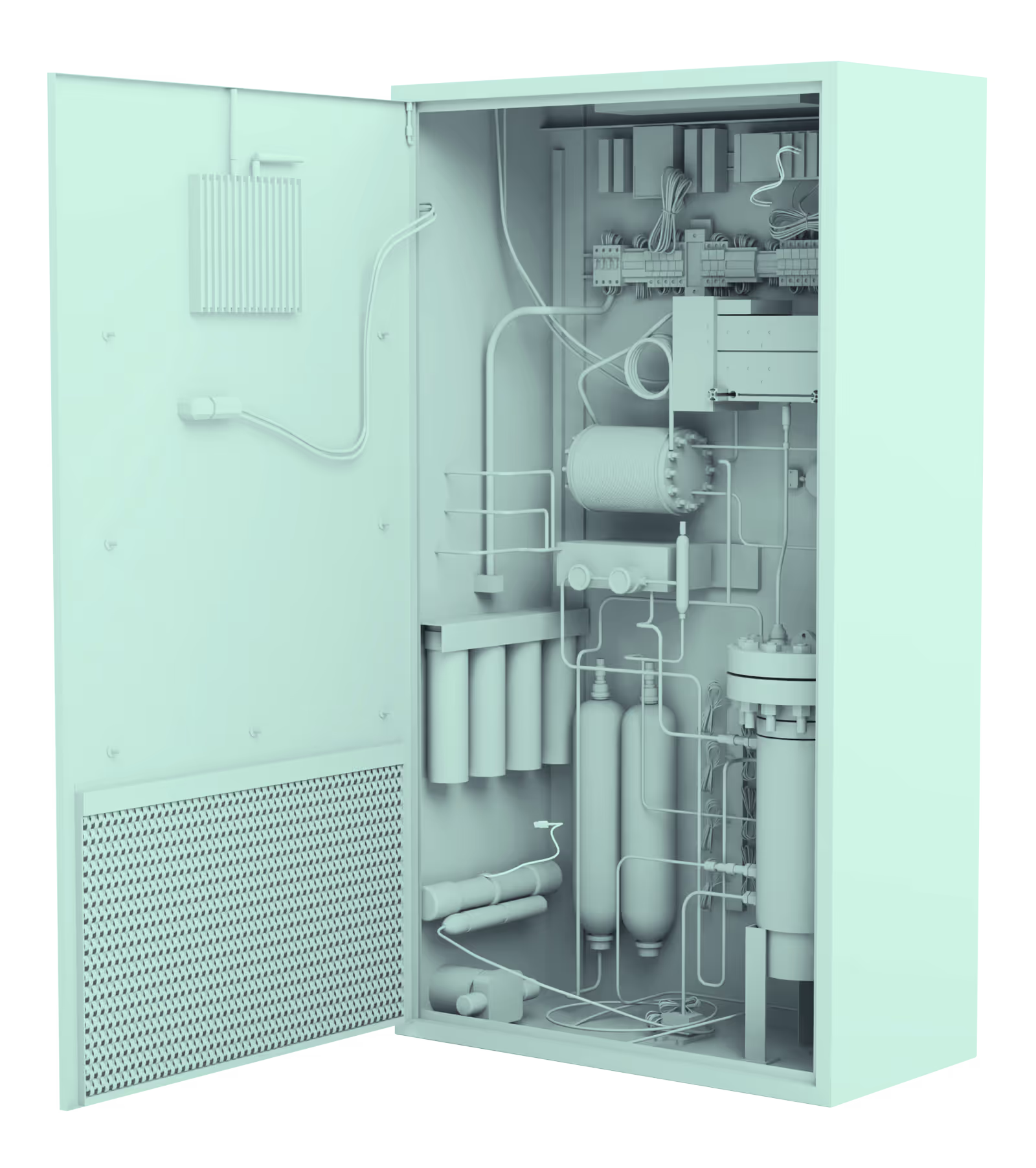
If you’re researching options for hydrogen production, you’ve likely seen these PEM and AEM framed as competing options. But determining which type of electrolyser is best for your project requires a more detailed review. In this guide, we break down the strengths, limitations, and design decisions behind each approach, enabling developers and operators to plan for their next hydrogen project. Whether you’re planning a pilot project or mapping out a large-scale deployment, this comparison of Proton Exchange Membrane electrolysis and Anion Exchange Membrane electrolysis gives you a solid place to start.
PEM and AEM electrolysers both generate power through hydrogen electrolysis, a process that creates hydrogen by using electricity to split water into hydrogen and oxygen. While the general process is consistent between electrolysers, they differ in their charged carriers, membrane materials, and operating conditions. These differences have implications for their performance, cost, and durability, which leads us into our deeper comparison.
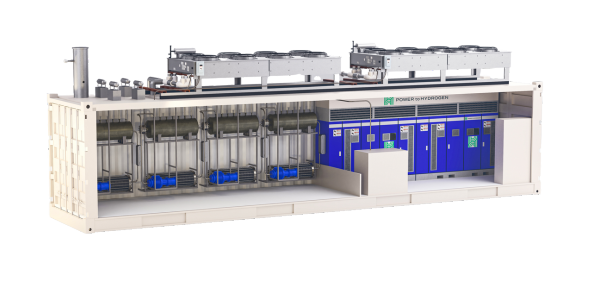
A Proton Exchange Membrane (PEM) electrolyser moves protons through a solid polymer membrane. Water enters the anode side, splits into protons, electrons, and oxygen, and the protons travel through the membrane to the cathode. The membrane only allows positive ions to pass through, creating a controlled environment that supports high current densities.
Many commercial PEM units use precious metal catalysts such as iridium and platinum. These materials maintain performance in the acidic conditions inside the cell. PEM stacks operate at elevated pressures, and many commercial systems include balance-of-plant components that help regulate water circulation, cooling, and power electronics.
PEM electrolysers support fast response times, which helps projects connected to renewables or grid-following loads. They can quickly ramp up output when electricity prices change. PEM systems also handle high operating pressures effectively, which reduces the need for external compression in certain applications. Other advantages include:
These features make PEM systems a match for mobility fueling, behind-the-meter industrial plants, and flexible grid services.
PEM systems rely on precious metals for catalysts. These materials increase cost and carry supply risks for project developers planning large installations. The acidic environment also increases material demands for other stack components. Operators working with PEM systems monitor for membrane degradation and catalyst wear, since performance can shift over long operating hours.
Operational costs increase when the electrolyser operates at high current densities for extended periods of time. That affects long-duration baseload projects more than flexible or intermittent ones. Many organizations planning large hydrogen hubs evaluate these factors closely when comparing technologies.
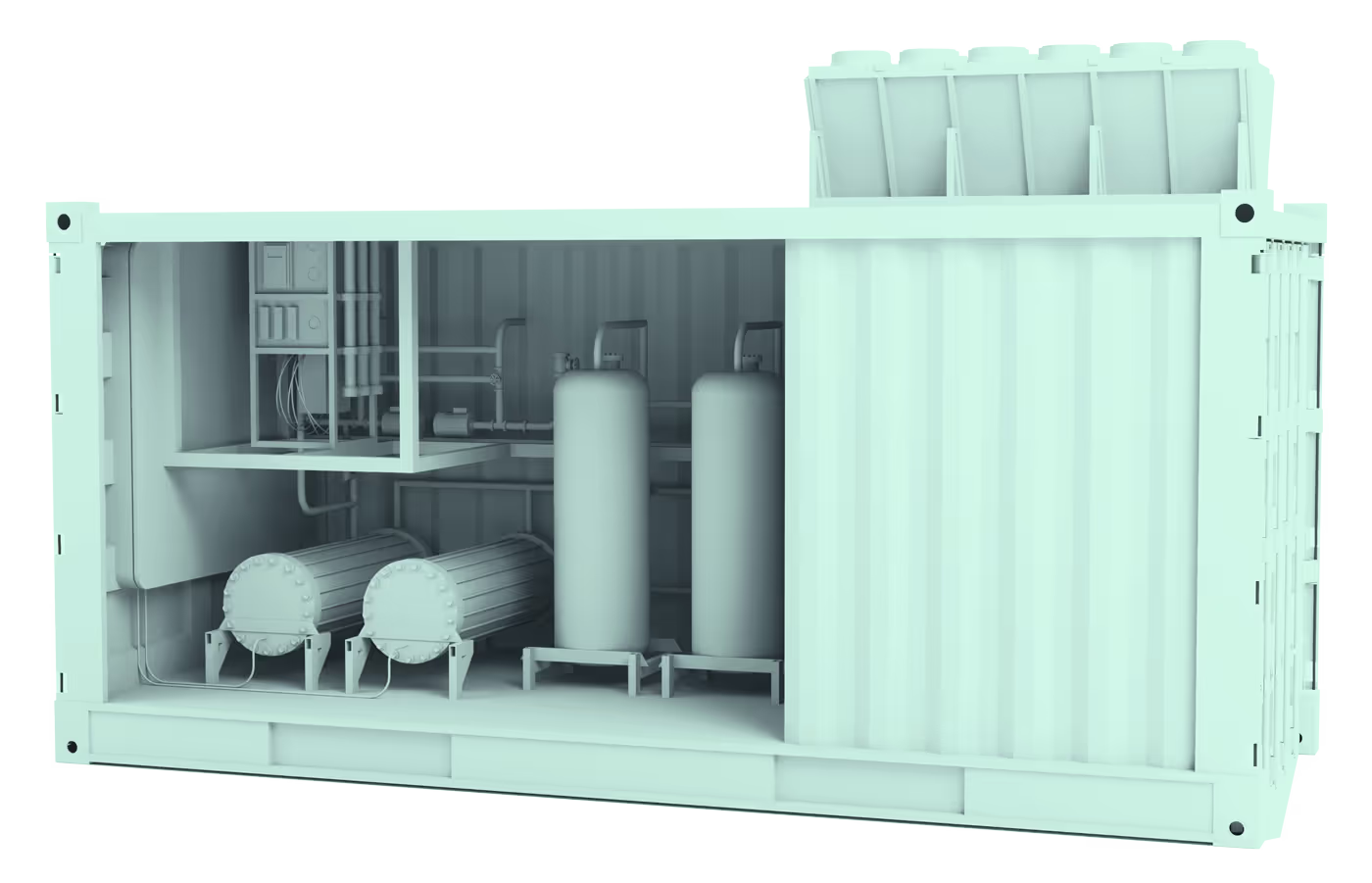
Anion Exchange Membrane (AEM) electrolysers use a membrane that conducts negative ions (hydroxide ions). Water enters the cathode, and the system generates hydrogen there. Hydroxide ions travel through the membrane to the anode, where oxygen is produced. The alkaline environment enables the system to utilize non-precious metal catalysts in various designs.
The ability to run with lower-cost materials creates a path toward lower capital expenses. AEM stacks operate at lower differential pressures than PEM systems, yet still maintain strong efficiency. Power To Hydrogen is advancing AEM electrolyser systems by creating a hybrid AEM system with more efficient components, testing advanced membranes, and refining electrode coatings.
AEM systems reduce dependence on precious metals. They open the door for new supply chains built around abundant materials. That improves long-term cost stability for large projects. Other benefits include:
AEM systems offer a promising pathway for distributed hydrogen, behind-the-fence industrial loads, and cost-sensitive projects that need durable output without the high catalyst cost associated with PEM systems.
AEM electrolysers are still considered a newer technology by many organizations. Field data for AEM models in large-scale applications continues to grow each year, and the industry remains committed to testing systems across a wide range of operating conditions. Power To Hydrogen has made significant advancements to improve durability, long-term catalyst stability, and membrane strength under high current density.
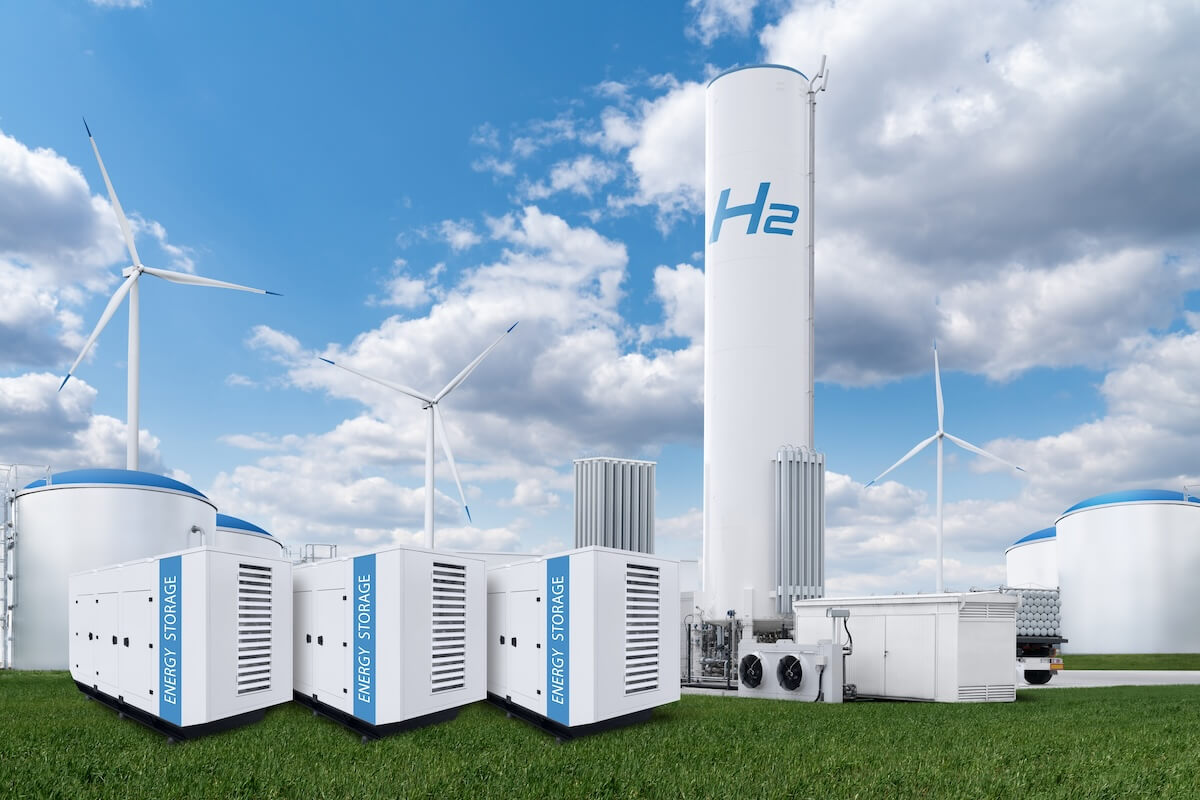
AEM and PEM technologies are both capable of producing high-purity hydrogen at commercial-level efficiency. However, the efficiency ratings for each system change based on operating pressure, water quality, and power electronics. PEM systems can maintain stable efficiency across a wide range of pressure and load conditions. AEM systems can accommodate a slightly smaller range of pressure and power levels, but the water quality and purity requirements are lower.
AEM systems present a cost advantage. Lower material costs and simpler component requirements help operators meet budget targets for distributed or modular hydrogen installations. As AEM longevity improves, OpEx is expected to continue to decrease, widening the cost efficiency gap between AEM and PEM systems. The higher cost for PEM systems is attributed to their use of expensive catalysts and membrane materials. The cost gap between AEM and PEM narrows for smaller projects but expands when developers consider multi-megawatt installations. Operating expenses also increase when PEM stacks operate at high intensity for extended periods.
PEM systems utilize precious metals, such as iridium and platinum, to operate in acidic environments. These metals enable high performance but add cost and supply concerns. AEM systems rely on catalysts made from more common materials such as nickel or other transition metals. This difference has a significant impact on supply chain planning for large-scale hydrogen rollouts.
PEM has extensive field data from decades of use. Many commercial units show strong lifetime performance when operated within recommended ranges. Degradation mechanisms such as membrane thinning or catalyst wear appear over time but are predictable for experienced operators.
AEM systems continue to improve as new membranes and electrodes become available on the market. Early generations showed shorter lifetimes. Power To Hydrogen’s systems have significantly extended runtime and support higher current densities compared to the previous generation of AEM technology. The industry expects lifetime performance to rise as our materials research accelerates.
PEM systems have reached a high level of commercial readiness. Large industrial projects, fueling stations, and multi-megawatt renewable integrations already use PEM technology. Supply chains, service partners, and OEM support structures exist for PEM across North America, Europe, and Asia.
AEM systems continue climbing the technology readiness ladder. They demonstrate cost advantages and strong efficiency, but many projects wait for larger field deployments before committing to multi-megawatt installations. Power To Hydrogen’s hybrid electrolysers show strong momentum in distributed hydrogen and pilot-scale commercial projects.
The selection rarely depends on a single factor. Project developers consider electricity price, expected runtime, maintenance cycles, and long-term expansion goals. Many of our clients share detailed site layouts, electrical data, and operational constraints before making a decision.
PEM suits projects that require rapid response, high pressure, high purity, and durability, backed by decades of data. These include fueling stations, grid-connected systems, large industrial loads, and mobility infrastructure.
AEM fits cost-sensitive and distributed projects that want simple materials, lower capital costs, and flexibility with renewable electricity. Examples include hydrogen hubs, on-site hydrogen for backup power, and early-stage industrial users preparing for growth.

PEM and AEM electrolysis represent two distinct approaches to hydrogen production, and their capabilities are likely to continue diverging as further advancements separate them. PEM is a commercially ready, reliable method of electrolysis that has been integrated into global energy projects for decades. On the other hand, AEM is a newer technology that is actively being rolled out in commercial-scale projects, offering additional breakthroughs in efficiency and dependability before it reaches scale. Power To Hydrogen continues advancing membranes, catalysts, coatings, and stack designs for hybrid and AEM technologies.
Power To Hydrogen designs and builds hybrid AEM electrolysers that are engineered for reliability, efficiency, and long asset life. Our hybrid electrolysis technology reduces reliance on precious metals for a more cost-effective method of hydrogen production. We continue to test materials, evaluate field performance, and iterate on systems that deliver predictable output with clear cost structures.
We work with organizations across industrial, mobility, and energy markets to create systems that align with their project goals. Many clients approach us with early-stage plans. Our team helps them compare technologies, run cost calculations, and evaluate project-specific variables such as pressure targets, available electrical infrastructure, byproduct handling, and water quality.
If your team is evaluating electrolyser technology for a current or upcoming project, we can help you identify the configuration that fits your goals. We support pilot projects, multi-megawatt installations, and long-term deployment plans across sectors. Below are some of the benefits of Power To Hydrogen’s approach:
If you want guidance on choosing between PEM and AEM technology or want to explore how our electrolysers support your goals, contact us today. We can provide technical details, project modeling, and support for early planning stages.
Power to Hydrogen works with partners building the next generation of hydrogen systems. If you want to expand your project with reliable, cost-effective electrolysis, reach out and start a conversation with our team.


