

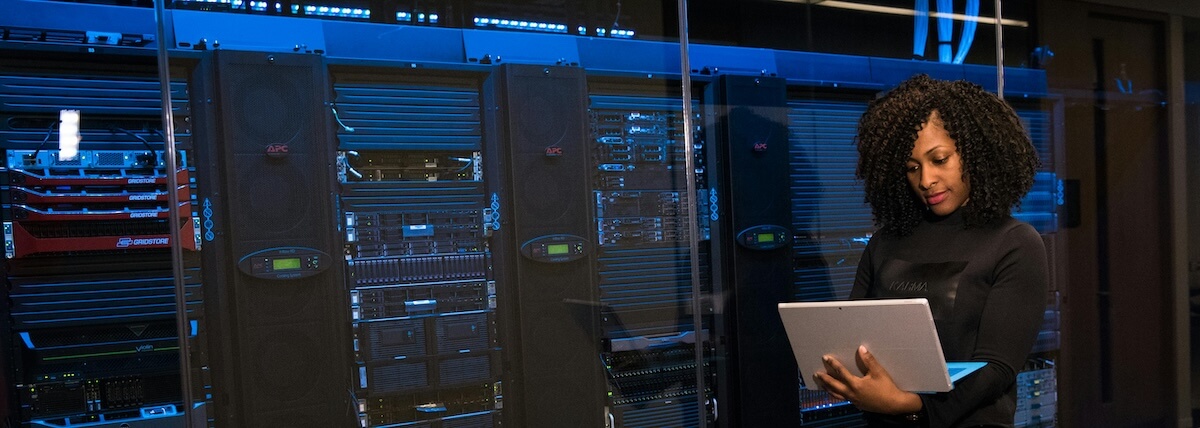
The next wave of data center construction is underway, and these facilities are drawing more power from the grid than ever, particularly as AI and edge computing services continue to expand. It's clear to our team that stable and reliable energy storage will play a central role in the design of future facilities. At Power To Hydrogen, we design and build hydrogen electrolysers that provide data centers with dependable power, enabling them to compete in this rapidly growing market.
Whether a facility is targeting zero-carbon goals, planning for off-grid resilience, or preparing for rapid expansion, it needs energy storage systems that can deliver both immediate response and long-duration coverage. In the sections ahead, we break down how emerging technologies, especially hydrogen-based electrolysis systems, are shaping the next generation of resilient data center infrastructure.
Data consumption is accelerating as facilities that once handled predictable loads now support AI model training, medical imaging, streaming platforms, real-time gaming, financial processing, and cloud storage. With these applications, even a moment of instability can interrupt service, damage hardware, void contracts, or force expensive restarts. On-site energy storage helps smooth these conditions by providing an extra supply when loads surge. It also allows facilities to maintain consistent output while avoiding unnecessary strain on utility connections.
Most operators we speak with share the same priority: uptime. Every major data center contract reflects this requirement. Advanced energy storage supports uptime by providing immediate backup power in the event of grid disturbances. Even short voltage flickers can lead to cascading failures. Systems that provide fast response (such as hydrogen electrolysers) help maintain stable power during transitions.
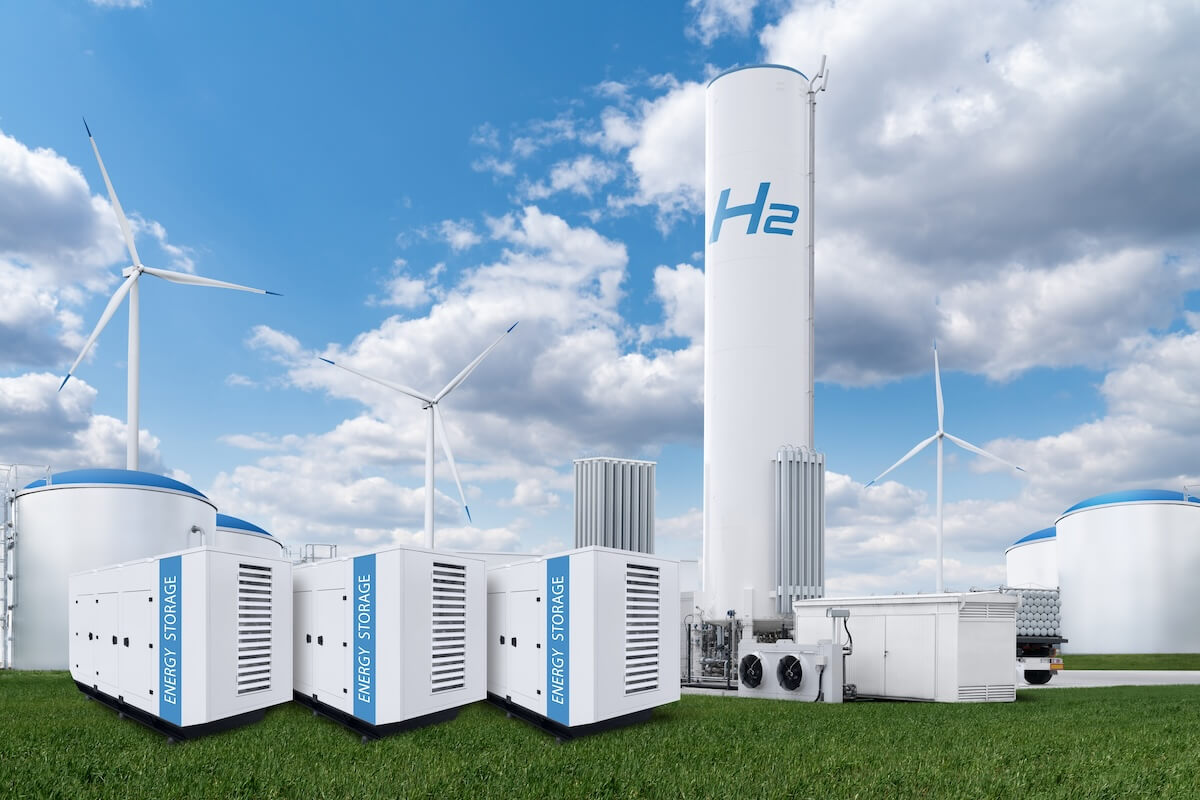
Hydrogen electrolysis systems are becoming the go-to option for high-capacity, long-duration energy storage. They store energy through hydrogen production and release it to convert hydrogen back into electricity. This process supports extended run times without particulate emissions or on-site combustion.
Data center operators seeking long-term and reliable backup solutions often explore hydrogen first because the technology complements renewable generation, grid stabilization, and microgrid setups.
Battery systems remain a common choice for short-duration energy needs. A row of backup batteries can stabilize power during the split second it takes for backup generators or other systems to start. Instead of relying solely on uninterrupted power supplies with short discharge times, modern BESS offer more stable temporary coverage.
Lithium-ion battery systems occupy minimal space and offer rapid discharge. They work well in facilities that need compact, immediate support. However, large installations require detailed thermal management planning and careful long-term monitoring. Flow batteries and hydrogen fuel cells offer distinct value profiles. Their liquid electrolyte battery design enables long cycle life and facilitates easier capacity adjustments.
Flywheel systems store kinetic energy in a spinning rotor. They supply high-speed bursts of power. Operators will typically use them for voltage stabilization and transition support because their mechanical design also allows for repeatable cycling with minimal wear.
A significant portion of a data center's energy consumption is dedicated to cooling equipment. As a result, some operators explore thermal systems that help mitigate energy spikes during demand peaks by running cooling systems during off-peak hours or periods of renewable energy production. Other alternatives focus on reducing energy usage or combining multiple technologies for a hybrid approach.
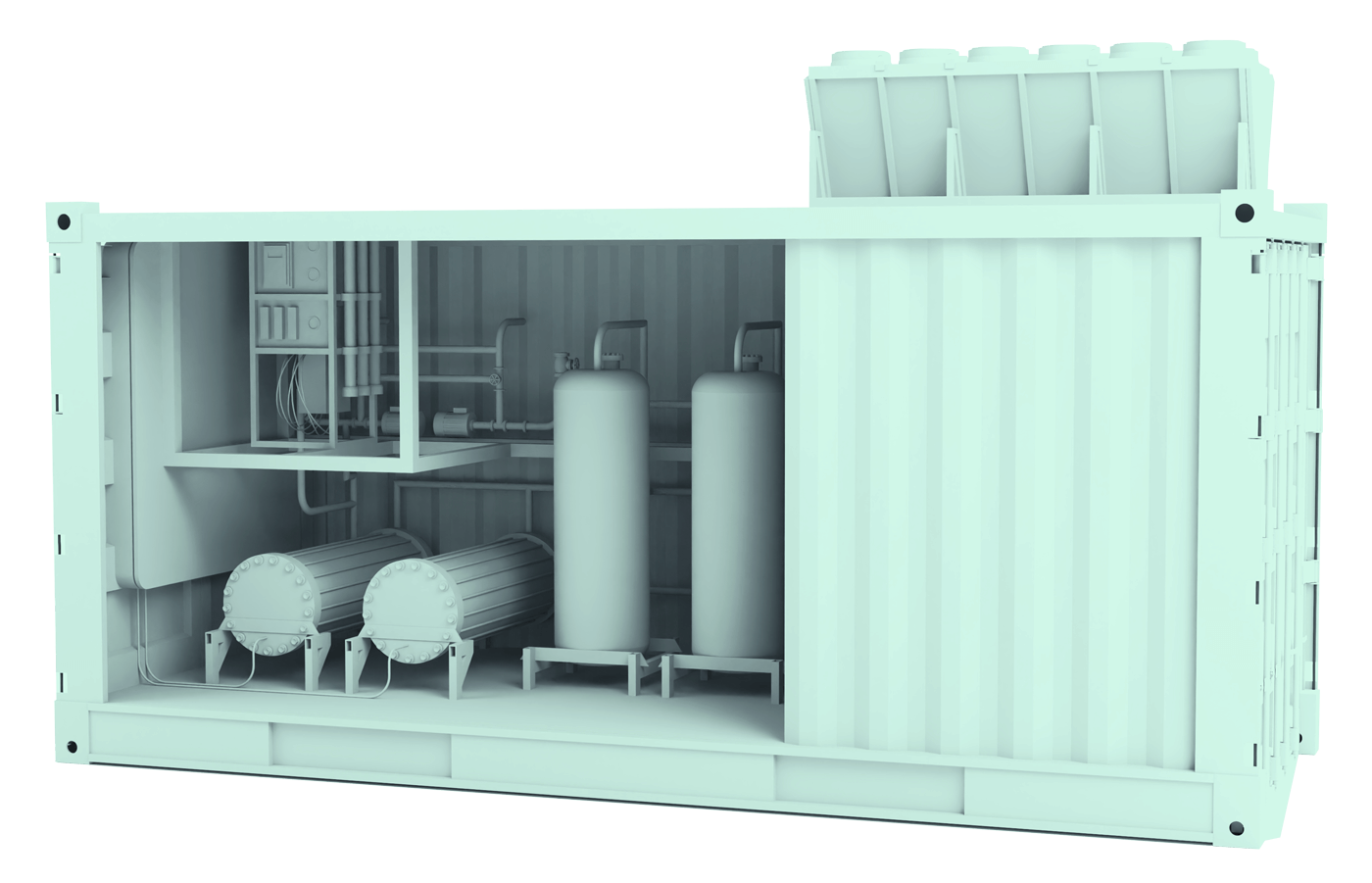
Advanced electrolysis systems, such as the ones we develop at Power To Hydrogen, utilize water electrolysis to produce high-purity hydrogen from electricity and water. This hydrogen is stored on-site and then converted back into electricity through fuel cells. The result is a low-emission power source that supports multi-hour and multi-day operational needs.
Hydrogen supports longer run times than typical battery systems. It also handles large-scale installations more easily because capacity grows with modular units rather than battery banks. Many teams choose hydrogen when they require multi-day support, as it provides consistent power output without the thermal stress issues commonly associated with large battery arrays. Hydrogen systems also maintain their performance across a wide temperature range. This flexibility makes them effective in regions with strict energy demands or limited cooling options.
Data center expansion requires flexible infrastructure that can scale as technology and project requirements change. We frequently hear from project teams who want systems that scale smoothly as sites add new racks or take on new workloads. Power To Hydrogen's electrolyser stacks offer this flexibility because capacity increases through a modular approach rather than complete system redesigns.
Edge data centers also benefit from hydrogen. These smaller sites often operate in locations with limited grid strength. Hydrogen fuel cells provide quiet and reliable power without the air quality concerns associated with diesel generators.
Power To Hydrogen specializes in hybrid AEM electrolysers that make hydrogen production efficient and cost-effective. Our systems are designed for reliability, flexible integration with renewable energy, and can scale to meet the needs of data centers. By focusing on reliability and cost efficiency, we are building the next generation of energy storage solutions for data centers.
Energy storage reduces the impact of grid faults, voltage drops, and sudden load changes. It supports smooth transitions during generator start-up or during switching events. Many operators report reduced equipment wear when they add responsive storage, since sensitive components receive more consistent power.
Solar and wind production continue to expand across the energy landscape. Data centers that generate their own power often want a way to capture excess energy and reuse it later. Storage allows them to do this. It also helps maintain stable output when renewable production fluctuates. By combining on-site renewable energy with storage, facilities can reduce their reliance on the grid and enhance power independence.
One way that advanced energy storage systems reduce costs and improve efficiency for operators is through peak shaving and load shifting. Facilities can schedule energy-intensive equipment during times when electricity rates are lower, then lean on stored energy when prices spike. Hydrogen systems add another layer of savings: fuel cells have far fewer moving parts than combustion generators, so they typically require less maintenance. Over a system's lifetime, these savings accumulate, especially in large sites with strict uptime requirements.
Early planning helps avoid costly redesigns. Our team works with you to determine the proper layout (including spacing between components, utility tie-ins, and ventilation requirements) so the final system fits your site's operational goals.
Hydrogen storage tanks, electrolysers, and fuel cells require dedicated space. Battery rooms require careful thermal management and fire-rated construction. Flywheels need vibration-controlled mounting areas. Each technology shapes infrastructure differently. The best financial approach comes from modeling energy scenarios, outage risk, peak demand periods, and the cost of downtime. We help teams run these models, enabling them to understand how energy storage fits into their financial planning and budgeting.
Most operators want support throughout the planning and installation process. Power To Hydrogen collaborates with utilities, engineering firms, safety inspectors, and internal facility teams. This process helps create energy storage systems that perform reliably once commissioned.
Power To Hydrogen designs and builds advanced hybrid AEM electrolysers and hydrogen storage systems for data centers of all sizes. Reach out to our team to learn how we can help you create a more resilient and efficient energy strategy for your data center.


