

Hydrogen applications are expanding rapidly as industries look for practical ways to reduce carbon emissions while maintaining reliable energy and production systems. Although hydrogen has been used for decades in refining and chemical manufacturing, new hydrogen applications based on green hydrogen production are now emerging across transportation, heavy industry, energy storage, and global fuel markets.
Hydrogen produced using renewable electricity through electrolysis can act as a clean fuel, industrial feedstock, and long-duration energy storage medium. As electrolyser technology scales and renewable energy costs fall,hydrogen use is expected to grow significantly between now and 2040.
This guide explores the most important hydrogen applications today, the technologies enabling them, and the major projects demonstrating how hydrogen will be used in real energy systems.
One of the largest applications of hydrogen is ammonia production, primarily used for fertilizer manufacturing. Today, most hydrogen used in ammonia plants is produced using natural gas through steam methane reforming, which generates significant CO₂ emissions.
Green hydrogen offers a direct pathway to decarbonize this process. Instead of using fossil fuels, electrolysers split water into hydrogen and oxygen using renewable electricity.
One of the most prominent examples is the NEOM Green Hydrogen Project being developed by ACWA Power and partners in Saudi Arabia. The project will produce hydrogen using large-scale renewable power and convert it into ammonia for export to global markets. When operational, the facility is expected to produce roughly 600 tonnes of green hydrogen per day.
This project highlights how the impact of hydrogen can scale globally by linking renewable energy production with chemical manufacturing and international energy trade.
Hydrogen is already widely used in petroleum refining and chemical production. Refineries consume hydrogen in several key upgrading processes, including hydrocracking, hydrotreating, and desulfurisation. These reactions use hydrogen to remove sulfur, nitrogen, and other impurities from crude oil products while also converting heavier hydrocarbons into higher-value fuels such as diesel and jet fuel.
Chemical manufacturers also rely on hydrogen as a fundamental feedstock for products such as methanol, hydrogen peroxide, and synthetic fuels. In many cases, hydrogen participates directly in chemical reactions that form the final product, making it an essential industrial input rather than simply a fuel.
Replacing fossil-derived hydrogen with clean, electrolysis-produced hydrogen allows these industries to significantly reduce emissions without fundamentally changing existing processing infrastructure. Because hydrogen demand already exists in these sectors and the production processes are already optimized for hydrogen input, refining and chemical production represent some of the earliest and most practical hydrogen applications for green hydrogen deployment.
As industrial decarbonisation targets tighten, many refineries and chemical plants are evaluating on-site electrolysis systems that can produce hydrogen using renewable electricity while maintaining the reliability required for continuous industrial operations.
Steel production accounts for roughly 7–9% of global carbon emissions, largely because conventional blast furnace processes rely on coal and coke to remove oxygen from iron ore. Hydrogen offers an alternative pathway through the direct reduced iron (DRI) process, which can significantly reduce emissions from primary steelmaking.
In hydrogen-based steel production, hydrogen reacts with iron oxide at high temperatures, removing oxygen and producing metallic iron and water vapor as the primary byproduct. This iron can then be processed in electric arc furnaces to produce finished steel products. Because the reduction reaction produces water instead of carbon dioxide, the overall emissions profile of the steelmaking process can be dramatically reduced.
Several European and global steel producers are currently developing hydrogen-enabled steel facilities or retrofitting existing DRI plants to operate with hydrogen rather than natural gas. These projects often integrate large renewable power installations and electrolyser systems to produce hydrogen on-site or within nearby industrial clusters.
If deployed at scale, hydrogen-based steel production could significantly reduce emissions from one of the most carbon-intensive industrial sectors while maintaining the high material output required for construction, manufacturing, and infrastructure development.
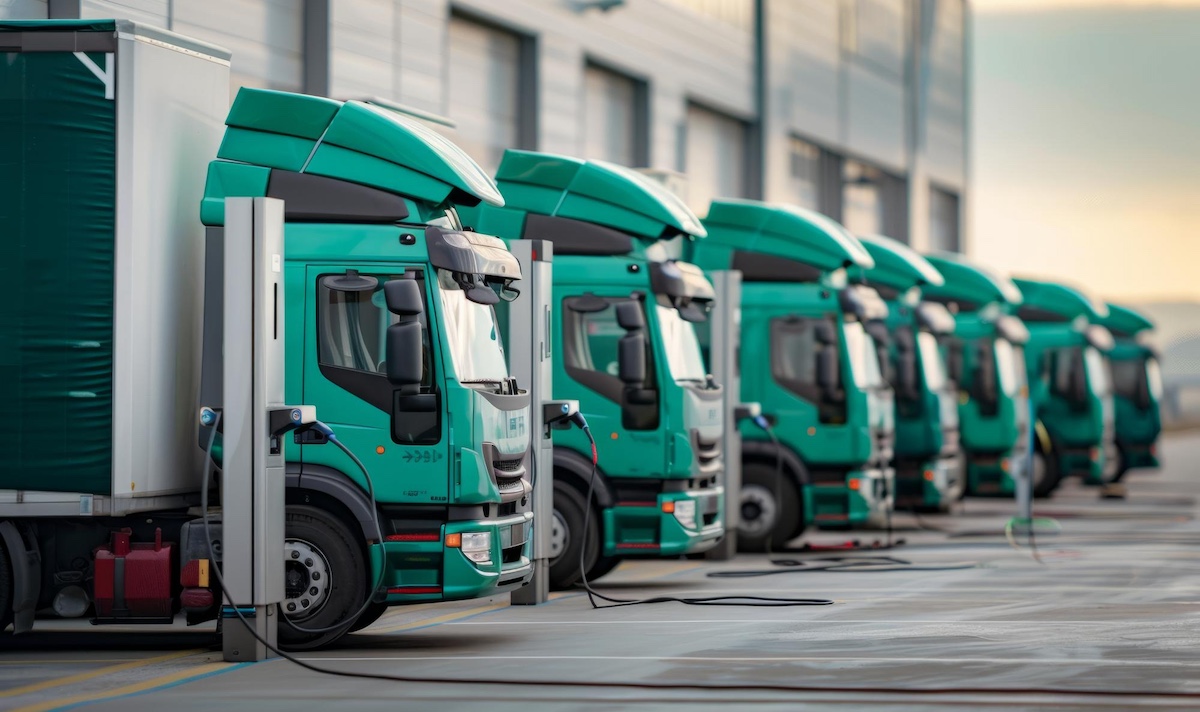
Another major application of hydrogen involves transportation systems that require high energy density and long operating ranges. While battery-electric technologies are effective for passenger vehicles and short-distance transportation, they become more challenging for heavier applications that require long operating times, rapid refueling, and large payload capacity.
Hydrogen can address these challenges because it contains significantly more energy-per-unit mass than batteries and can be refueled quickly. This makes it particularly suitable for heavy-duty transportation sectors such as long-haul trucking, maritime shipping, mining vehicles, and certain rail systems.
Hydrogen can power transportation in two main ways:
• Direct use in fuel cell systems that convert hydrogen into electricity to drive electric motors
• Conversion into hydrogen-derived fuels such as ammonia, synthetic methanol, or e-fuels
In many regions, transportation deployment is closely tied to industrial hydrogen hubs and logistics networks. Ports, freight corridors, and distribution centers are becoming central locations for hydrogen deployment because they combine transportation infrastructure with large industrial energy demand. This integrated approach allows hydrogen production facilities to serve multiple sectors simultaneously, improving infrastructure utilization and lowering system costs.
One important real-world hydrogen application is being demonstrated at the Port of Antwerp-Bruges, one of Europe’s largest industrial ports and a major emerging hydrogen hub. Its concentration of refineries, chemical plants, and transport infrastructure makes it an ideal location to develop hydrogen production and distribution systems.
Power to Hydrogen is currently deploying an advanced AEM electrolysis system at the port. This installation, serving as the world’s first industrial-scale AEM electrolysis stack, will produce hydrogen on-site using renewable electricity. The hydrogen can be used by nearby industrial facilities or distributed to other customers through compressed gas logistics such as tube trailers.
Ports like Antwerp-Bruges are becoming central locations for hydrogen deployment because they connect industrial demand with large-scale energy logistics. By integrating hydrogen production, storage, and transport infrastructure, ports and industrial clusters are helping build the supply networks needed to support the emerging hydrogen economy.
Hydrogen also plays a critical role in future electricity systems, particularly as renewable energy penetration increases. Wind and solar power produce variable electricity output depending on weather conditions, which creates challenges for balancing supply and demand across power grids.
Electrolysers can convert excess renewable electricity into hydrogen during periods of high generation or low electricity demand. This process, often referred to as power-to-hydrogen, allows energy that would otherwise be curtailed to be stored in chemical form.
The stored hydrogen can later be used in fuel cells, combustion turbines,or industrial processes when renewable generation is lower. Because hydrogen can be stored for long periods without self-discharge, it offers advantages for long-duration and seasonal energy storage that are difficult to achieve with battery systems.
Hydrogen storage can occur in several ways:
• Pressurized hydrogen tanks for smaller or distributed systems
• Underground salt caverns capable of storing very large hydrogen volumes
• Conversion to ammonia or synthetic fuels for easier transport and storage
Compared to batteries, hydrogen offers the ability to store energy for weeks or months, making it particularly valuable for balancing renewable-heavy power systems and providing backup energy for industrial operations and grid infrastructure.
Large-scale hydrogen projects are now being developed worldwide to support growing demand for clean fuels and industrial decarbonisation. Governments and private investors are increasingly funding hydrogen infrastructure as part of broader strategies to reduce emissions and strengthen energy security.
Major projects include the NEOM hydrogen facility in Saudi Arabia, multiple European hydrogen valleys, and emerging hydrogen hubs across North America. These projects typically integrate large renewable power installations with industrial-scale electrolysis, hydrogen storage systems, and distribution networks.
Together, these developments demonstrate how hydrogen applications are expanding beyond traditional industrial uses into transportation fuels, power system balancing, and international energy trade. As more infrastructure is deployed, hydrogen production is expected to scale significantly, lowering costs and enabling additional applications across the global energy system.
Ports, industrial clusters, and renewable energy hubs are becoming the primary locations where hydrogen infrastructure is being deployed, forming the backbone of the emerging hydrogen economy.
Between now and 2040, hydrogen applications are expected to expand across several major sectors of the global economy.
Key areas of growth include:
Hydrogen will not replace electricity. Instead, it complements electrification by providing solutions for sectors where direct electrification is difficult or inefficient.
Several factors are driving the rapid growth of hydrogen applications. Renewable electricity is becoming cheaper, governments are implementing hydrogen policies and incentives, and industries are under increasing pressure to reduce emissions.
At the same time, advances in electrolyser technology like Power to Hydrogen’s AEM breakthrough are making hydrogen production more efficient and scalable. These developments allow hydrogen to move beyond niche use cases into large-scale industrial and energy applications.
Projects at major industrial hubs like the Port of Antwerp-Bruges illustrate how hydrogen production, distribution, and end-use applications can work together within a regional energy ecosystem.
Hydrogen is transitioning from a specialized industrial gas to a central component of the global clean energy system. As electrolyser technology scales and infrastructure expands, hydrogen applications will play a critical role in decarbonising industry, transportation, and energy systems worldwide.


