

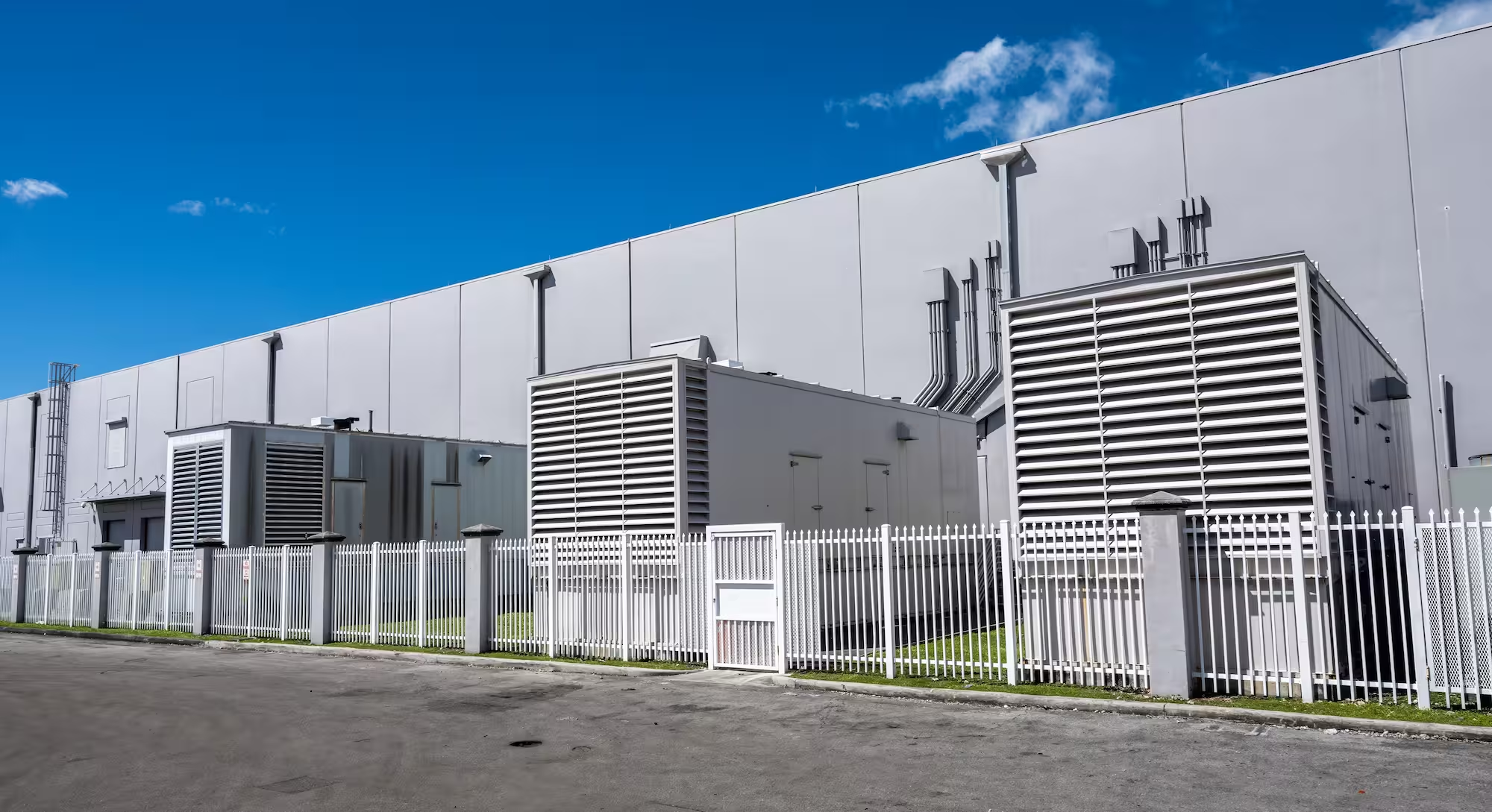
Data centers are some of the largest and most power-intensive facilities in the modern economy. As cloud computing and AI services expand, developers and hyperscalers are facing the challenge of securing enough reliable power to bring new facilities online and keep them operating around the clock.
Even if construction, engineering, and planning proceed smoothly, the local power grid’s capacity can be a bottleneck. Can the grid deliver the electricity needed? If not, it can be a process sorting out the details of what alternatives are needed in case of limited capacity.
Power availability is increasingly influencing where data centers are built, how quickly they can be developed, and what energy infrastructure needs to be installed alongside and integrated within them. Planning for these constraints means looking beyond the utility connection and considering a more varied mix of power supply, energy storage, and backup generation options.
The expansion of AI and high-performance computing is changing data center power requirements. Facilities are growing in size, and the power density of individual server racks is increasing as operators deploy more advanced computing equipment.
According to the International Energy Agency's 2026 analysis, global data center electricity consumption reached an estimated 485 TWh in 2025. Its outlook projects consumption to nearly double (to approximately 950 TWh) by 2030.
In the United States, a 2026 update from Lawrence Berkeley National Laboratory estimates that data centers could account for around 12% of national electricity consumption by 2030.
This growth creates challenges for utilities and developers alike. A datac enter may have the land, capital, and materials needed to begin construction, but still face long delays in coming online because the surrounding electricity infrastructure can’t support its planned load.
Connecting a large data center to the grid involves more than securing an agreement with a utility. The surrounding electricity network must have enough generation and transmission capacity to serve the new facility without compromising supply for existing local customers.
Several time and material constraints can affect a project's power supply:
Data center developers are often working toward aggressive construction schedules, while utility planning and infrastructure expansion can take considerably longer.
This means that developers need to consider power supply needs early in site selection and project planning. The availability of a grid connection and its capacity are core development requirements, not something to resolve after the facility has been designed.
Data center power architecture is typically designed around several layers of redundancy, with each component serving a distinct role in maintaining continuity of service. The challenge is coordinating these systems to meet the facility's load requirements while accounting for fluctuations in grid stability and the potential of extended outages.
A typical architecture includes:
The distinction between short-duration ride-through and sustained backup generation is particularly important during the process of selecting power technologies.UPS systems are designed to bridge interruptions and support power continuity during source transitions, but they’re not generally intended to carry the full facility load through an extended outage. Because of this, backup generation systems have to be designed around the required critical load and expected outage duration.
Traditional diesel and natural gas generators introduce additional considerations around fuel storage or supply, emissions permitting, maintenance and runtime. Battery energy storage can provide rapid response and support grid services, but its duration is constrained by installed energy capacity and discharge rate. Hydrogen fuel cells offer another approach to backup generation, using stored hydrogen to produce electricity when grid power is unavailable. This can provide an alternative to diesel generators for longer-duration backup, particularly when hydrogen is produced using renewable electricity.
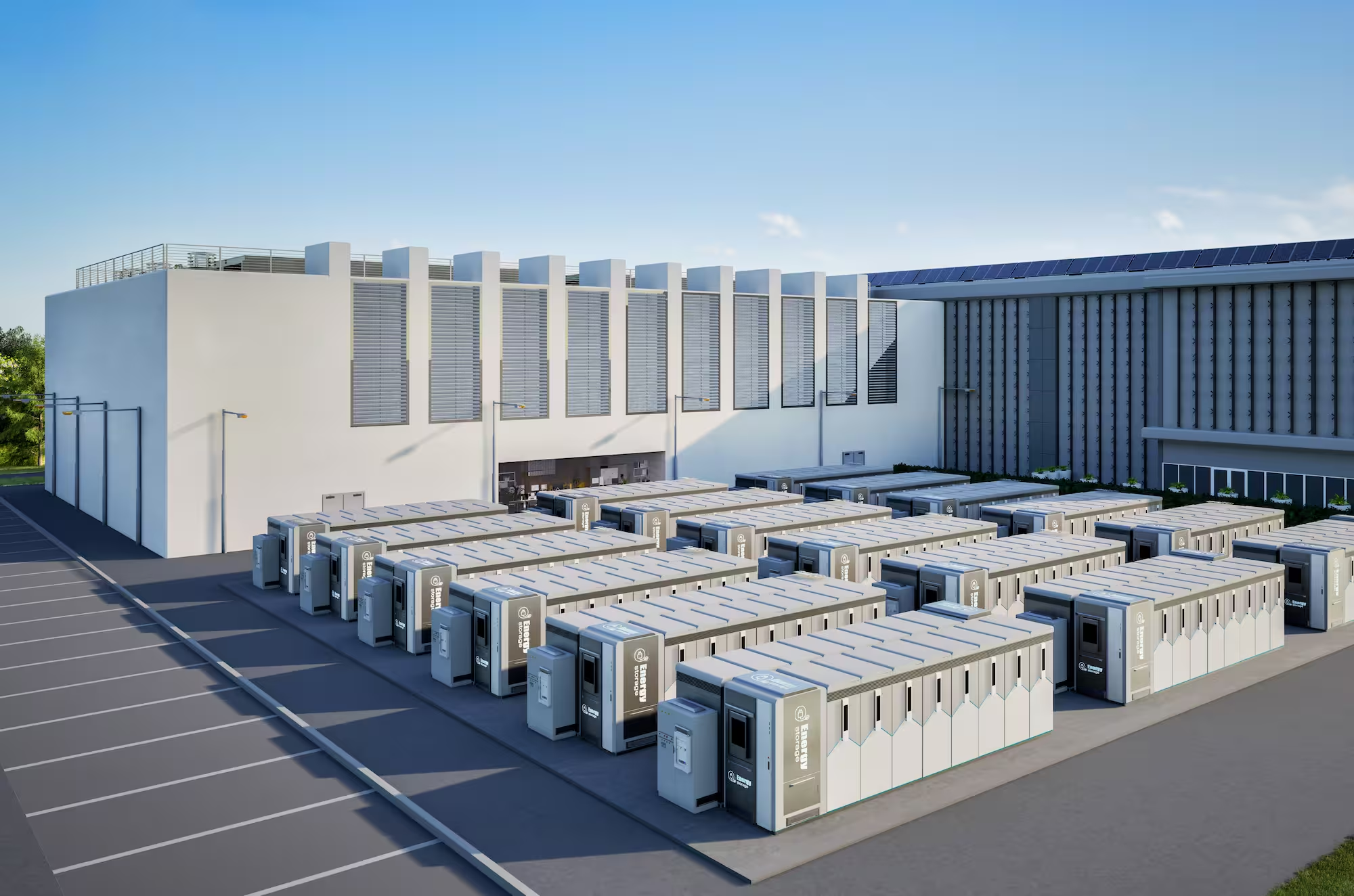
There is no single backup power solution that fits every data center. Developers are constantly evaluating different technologies that offer different kinds of benefits.
Diesel generators have traditionally been a common choice for data center backup power. They are familiar to operators, can provide substantial power output and can support critical loads for extended periods when adequate fuel is available.
However, diesel generators have limitations beyond their direct emissions, noise, fuel storage requirements and the need to maintain fuel quality and supply. Under federal EPA rules, emergency generators are generally limited to 100 hours of use per year. This means diesel generators are primarily intended for standby use rather than continuous power generation. Moving forward, the emissions and hour limits for diesel generators will reduce their usefulness in providing flexible power for data centers and meeting emission reduction targets.
Natural gas generators and turbines are another option for supplying on-site power. However, they are typically being used as a primary power option for data centers.
Natural gas generators require access to reliable gas infrastructure and involve permitting and emissions considerations. The IEA's 2026 analysis notes that on-site gas generation is emerging as an option for some data center projects facing grid connection delays, but it also highlights constraints such as turbine supply and the additional generation capacity needed to reliably serve variable data center loads. Because of these delays in supply, and the fact that the existing equipment is designed for primary power supply, there is a lack of availability in natural gas backup generation equipment.
Battery energy storage systems are particularly useful for fast response, UPS applications, power quality and managing short-duration interruptions. They can also support peak shaving and other forms of grid flexibility.
However, batteries are typically designed to bridge a 4-hour gap in power supply to optimize for their high efficiency, but expensive cost per kWh, energy storage. Most BESS (battery energy storage systems) are sized for this 4-hour duration, while data centers require a guaranteed supply of about 24-48 hours of backup power.
For this reason, batteries are often considered alongside generators or other longer-duration power sources rather than as a complete replacement for them.
Hydrogen offers another potential route for supplying backup electricity. Fuel cells can convert stored hydrogen into electricity without combustion at the point of use, producing water and heat as byproducts.
A hydrogen-based backup system requires more than a fuel cell. It also needs a dependable hydrogen supply, storage, fuel handling equipment, power conversion and controls, as well as a strategy for replenishing the stored fuel.
The hydrogen fuel cell approach to data center backup power involves producing hydrogen on-site using an electrolyser when electricity is available, storing it, and using it later to generate power when the grid is unavailable or constrained. This creates a way to connect renewable electricity with longer-duration energy storage and backup generation.
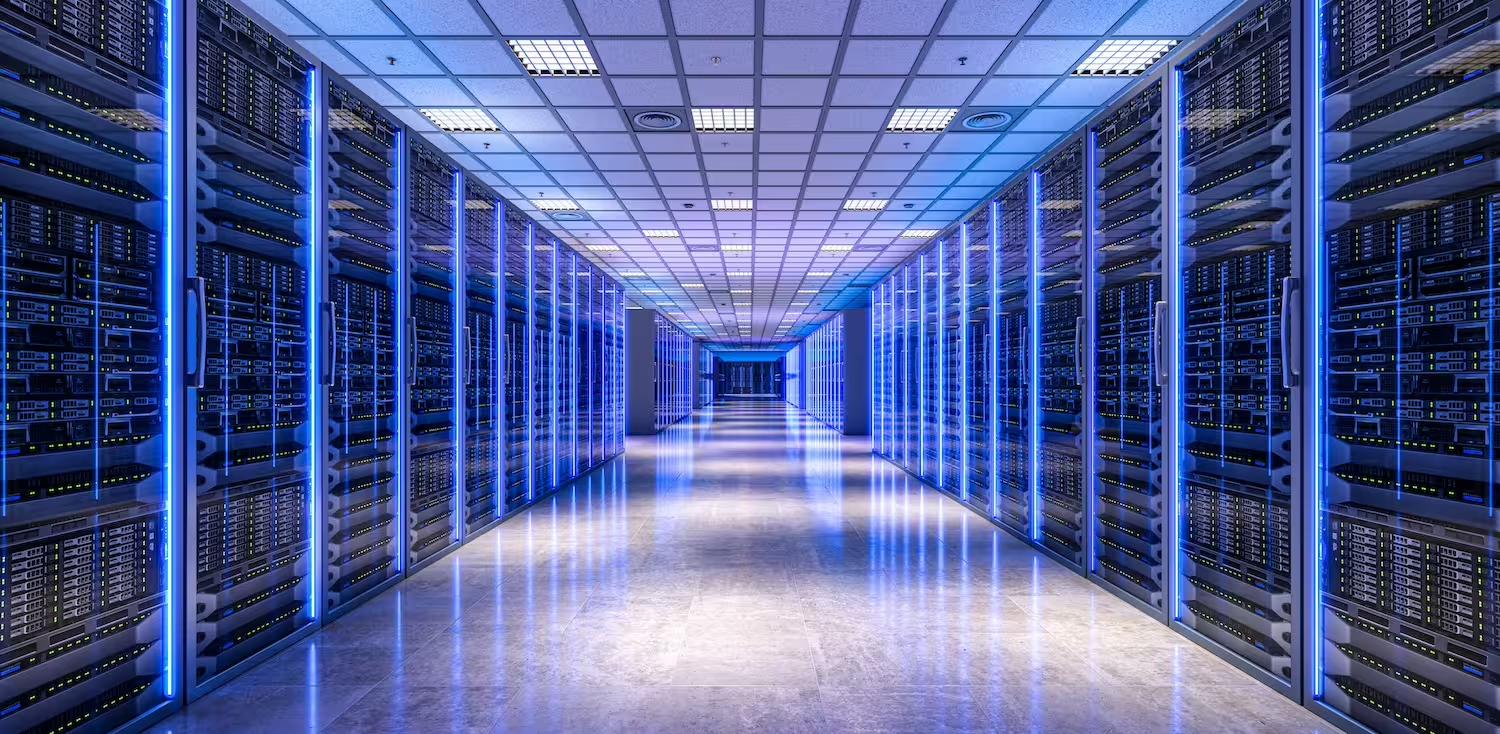
As a result of the constraints on available power from the grid, renewable energy is becoming a larger part of data center electricity procurement. According to S&P Global, renewables accounted for an estimated 58% of electricity sourced by surveyed major data center operators in 2025, up from approximately 50% in 2024. These project developers are increasingly looking to secure wind and solar power and build facilities near these renewable generation assets.
However, renewable generation does not always match data center demand. Solar output changes throughout the sun’s daily and yearly cycles, and wind generation varies at the whim of the weather. A data center, in contrast, needs a continuous and predictable supply of electricity.
This creates a challenge for projects that want to increase renewable energy use without compromising reliability.
A combination of grid electricity, renewable generation, battery storage and backup power can cover all the necessary bases for data center power supply. Each resource serves a different purpose:
Backup power decisions are closely connected to site selection, electrical design and project economics. The core points to address during planning include:
The U.S. Department of Energy has also highlighted microgrids as one way to support large electricity users. By coordinating on-site generation, energy storage and controllable loads, microgrids can help provide power to critical equipment and address some reliability and grid-support concerns.
To sum it up, a well-designed power strategy should not depend on a single technology or power source. Planning backup power for grid limitations often involves incorporating multiple systems, and drawing from the strengths of each to create a cohesive, reliable whole.
Rapid electricity demand growth, limited transmission and distribution capacity, and lengthy utility interconnection processes can delay the delivery of power to new facilities.
Available options include diesel generators, natural gas generation, battery energy storage and hydrogen fuel cell systems. The right combination depends on the facility's power requirements, backup duration, reliability targets and emissions goals.
Batteries can provide immediate backup and support short-duration power needs. Replacing generators for longer outages requires substantially more stored energy, so battery systems are often combined with other backup resources.
Yes. Hydrogen can be stored and converted into electricity using fuel cells or other suitable generation technologies. It can be produced on-site through electrolysis or delivered to the facility, depending on the project's infrastructure and supply strategy.
Wind and solar can supply a significant share of a data center's electricity, but their output varies. Combining renewables with grid power, batteries, flexible generation or other energy storage can help maintain a reliable supply.


